
Topsoil Near Me: The Ultimate Tacoma Shopping Guide
Fast Bulk Topsoil delivery in Tacoma, WA.
Topsoil (sandy loam) with compost is exactly what Northwest native ornamental plants and grasses, need to grow best in. We deliver to the Tacoma area. From the Port to the North End, we bring the materials you need for a perfect landscape.
Whether you are a homeowner or a contractor, our goal is to provide such excellent service that you'll say... "these guys are great, they delivered quality material and the online service was convenient for me..."
Delivery Service Areas
We proudly provide bulk delivery for the following neighborhoods and surrounding communities:
-
North and East Tacoma: Browns Point, Dash Point, and the North End.
-
South & Central: Tacoma South, East Side, University Place, and Fircrest.
-
Greater Pierce County: Midland, Parkland, Summit, Clover Creek, South Hill, and Puyallup.
Local Expertise & Knowledge
Do your drivers know my streets?
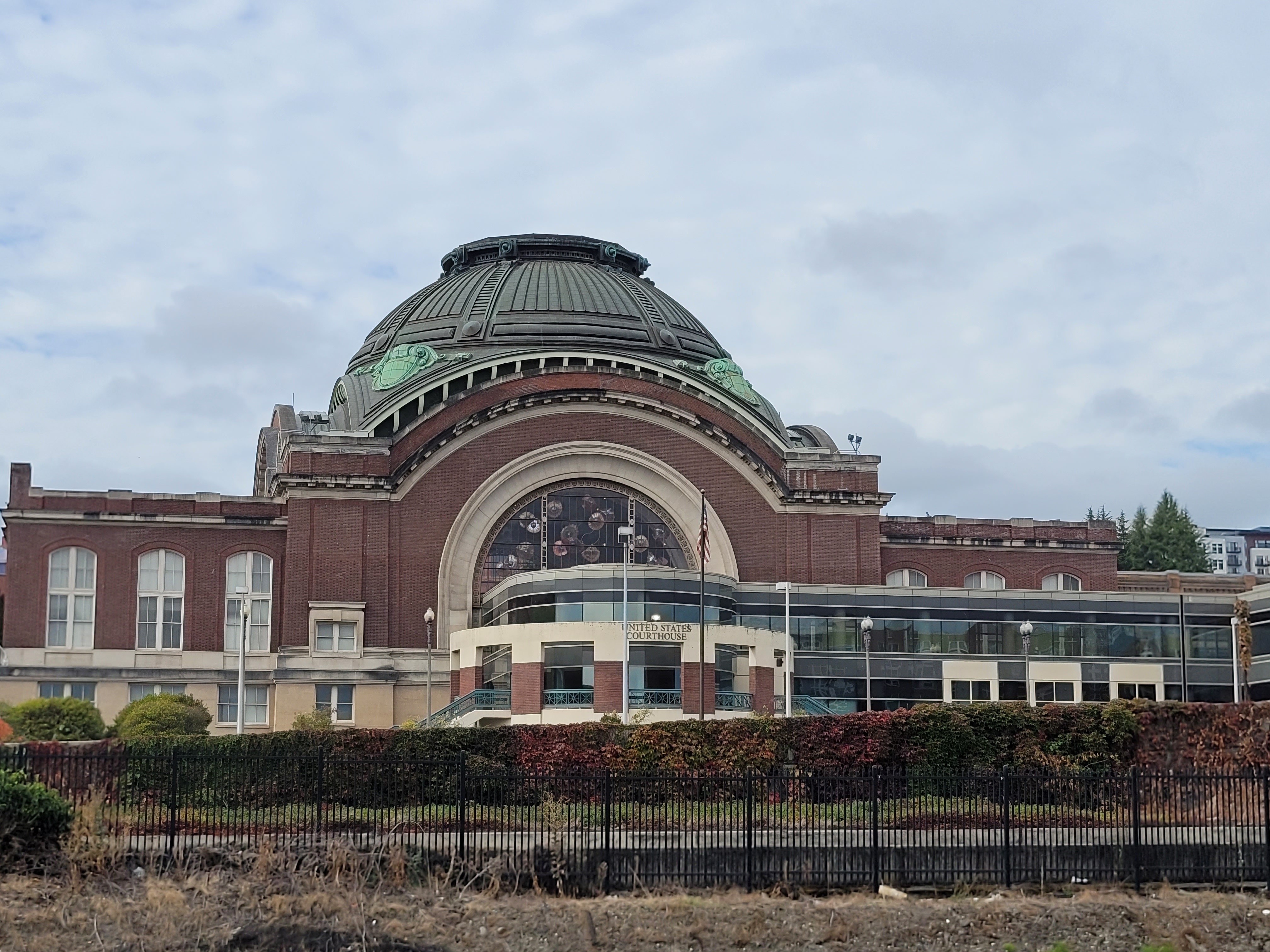
Our drivers are from the area. Topsoil Near Me provides fast, professional delivery of bulk landscape materials to your home or job site, in Tacoma. We make deliveries 15 minutes from Tacoma Union Station and we are ideally positioned to reach any location around Cheney Stadium quickly. We are curators of the best quality bulk materials.
Looking for more? We also offer fast delivery for topsoil, bark, gravel, and compost in Tacoma.
Call us today at 253.222.9633 or at
Frequently Asked Questions
How do I prepare for a topsoil delivery?
You will want to clear the area for a delivery truck to get in and out of. Cars, boats, and Rvs need to be temporarily out of the way. Double check that there aren't low hanging wires, or branches. Customers will often put a blue tarp on the ground, as a target for the driver to discharge the load on. The ground needs to be flat and level. The driver will not cross your property line without a waiver signature.
How much does a dump truck load of top soil cost?
Last year, a full truck load, 12 cubic yards of topsoil with compost is $760 + tax. 60/40 is another topsoil mix that comes in 10 yard loads for $794. The 60/40 is a sand compost mix, a step up in sand from entry level toposil and compost.
Product Insights: What’s in Topsoil?
Sandy Loam and compost. The sandy loam portion is 75% naturally occurring sand, and 25% combination of clay and silt. The combination of all three makes "loam". The sand plays a role in sandy loam, it keeps the soil from becoming compacted, and it also provides drainage in our wet winters. The silt-clay combination in the loam reduces the "dryout" of the soil in the summer, and is a part of drainage process in the winter. The compost portion consists of yard and garden trimmings. Here is where the nutrients are. The topsoil does not have biosolids. Topsoil is the structure your plants anchor themselves to. All of the particle together, are the foundation for growing plants.
Check out our
"How Much Do You Need?"
Our calculator helps figure out quantity. If you are "Planning a project? Generally, 1 cubic yard of topsoil covers about 300 square feet at 1 inch deep. If you're building a new garden bed, we recommend a depth of 4–6 inches."
Ultimate Guide to Gravel, Aggregate, Rock, and Stone Mulch
All of the above terms, refer to versatile, non-organic landscaping materials. Whether it is crushed rock fragments or uncrushed round stone, they provide a durable solution for drainage, paths, and beauty. There as many names for rock as there are names for the Puyallup fair:
-
The Washington State Fair: The current official, corporate name.
-
The Puyallup Fair: What almost every local still calls it.
-
The Western Washington Fair: The formal name used for decades before 2013.
-
"The Puyallup": As in, "Are you going to The Puyallup?"
-
The Valley Fair: A common historical shorthand used by older residents.
-
The September Fair: Used to distinguish it from the "Spring Fair."
-
The State Fair of Washington.
Just saying.
Solving Landscape Problems with Cobble Rock
1. Stopping Soil Erosion and Washouts
-
Problem: Water moves too fast and carves gullies into your yard.
-
Solution: 4-8" Cobbles act as "rip-rap" or armor for the soil. Their weight keeps them from washing away, and their rounded shapes break up the speed of flowing water.
2. Managing Poor Drainage (Dry Creek Beds)
-
Problem: Soggy lawns or standing water near your foundation.
-
Solution: Creating a dry creek bed with stones gives water a designated path to follow.
3. Protecting Against Tire Damage
-
Problem: Deep tire ruts and mud pits at the edge of your property.
-
Solution: Placing heavy cobbles along the shoulder of a driveway creates a "soft barrier."
4. Creating Permanent, Rot-Proof Borders
-
Problem: High maintenance and constant replacement of garden edging.
-
Solution: They are heavy enough to stay put without stakes and won't be damaged by string trimmers or mowers.
Featured Material Options
| Type | Best For |
| Cobble Rock (2"–10") | Creating stunning borders around flower beds or decorative rock gardens. |
| Drain Rock (1 ½") | French drains, drywells, and moving water away from foundations. |
| Pea Gravel (3/8") | Pipe bedding in trenches and decorative ground cover. |
| Washed Sand (C-33) | Irrigation pipe bedding, lawn leveling, and soil amendment. |
Our Crushed Rock Selection
-
5/8" Minus (Crushed Surface Rock): Best For: Driveway surfaces, parking pads, and walkways.
-
5/8" Clear (Crushed Drain Rock): Best For: Decorative borders, pathways, and mud-control.
"Still not sure which rock fits your project? Give us a call—we know Tacoma better than anyone."
Final Q&A
Q: Where is a good place to get topsoil near me?
A: This is a good place to get topsoil. If you are looking at this on your cellphone, tablet, or lap top. The topsoil is literaly at your finger tips, this is a link to our
Q: Whats the deal with 60 40 dirt?
A: Well, our 60/40 dirt, is composed of 60% sand and 40% compost. This type of dirt is highly versitle in the number of different landscape applications you can use it. The drainage that it offers is fantastic!