
Compost
Premium Bulk Compost: Feed Your Tacoma Landscape
Good soil isn't just dirt—it's alive. In the Pacific Northwest, our heavy rains can strip nutrients and pack down clay soil until nothing can breathe. Our premium compost is the "secret sauce" for Tacoma gardens, designed to break up hard ground and give your plants the biological jump-start they need.
100% organic · Family owned · Pierce County
Yard and Garden Compost
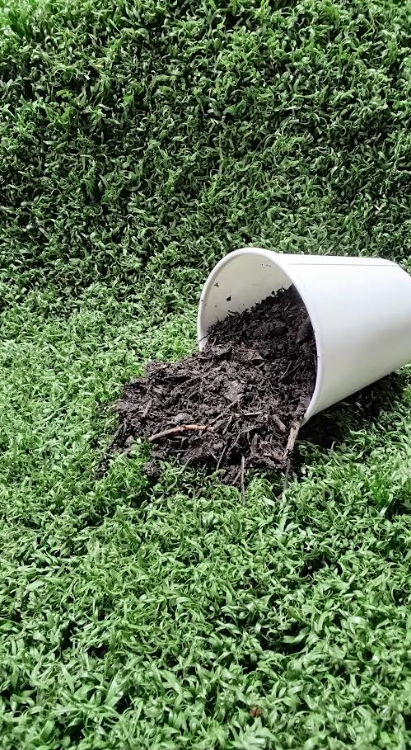
Yard and Garden Compost
Our premium yard and garden compost is the "secret sauce" for Tacoma gardens. Aged and screened for consistency, it breaks up hard clay ground and delivers the biological jump-start your plants need to thrive in the Pacific Northwest climate.
Why Your Garden Needs Compost
The Benefits of Organic Matter
Better Drainage
It acts like a sponge, holding onto moisture for the summer while creating "pore space" so your yard doesn't turn into a swamp in the winter.
Slow-Release Nutrients
Unlike chemical fertilizers that wash away, compost feeds your plants slowly and naturally over time.
Healthier Roots
Compost encourages beneficial microbes and fungi (mycorrhizae) that help roots anchor deeper and resist local pests and diseases.
Perfect for Northwest Natives
While many native plants are hardy, urban soil is often "barren" due to construction and clearing. Adding a layer of compost mimics the natural forest floor, giving your ornamental grasses and native shrubs the foundation they need to stay green and lush.
How to Use Your Compost Delivery
Amending New Garden Beds
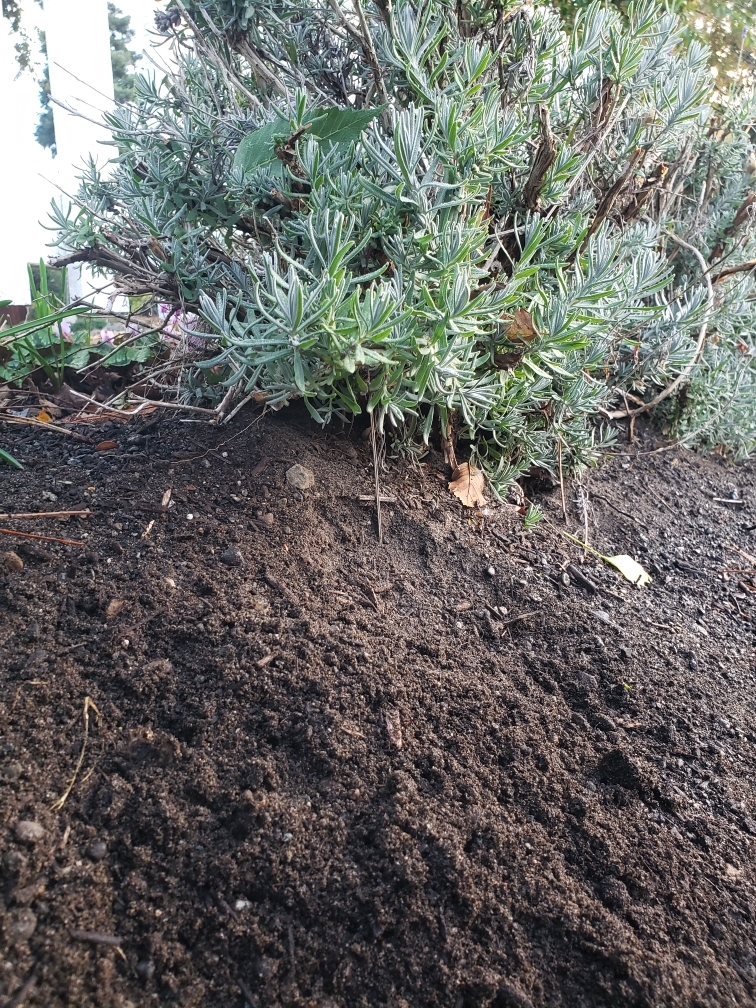
If you are starting from scratch, spread a 3–4 inch layer of compost over the area and till it into the top 6–8 inches of soil. This creates a nutrient-rich "root zone" for new plants.
Top-Dressing Lawns
To fix thin patches or "tired" grass, spread a 1/4 to 1/2 inch layer of finely screened compost over your lawn in the spring or fall. It fights soil compaction and helps your grass stay green without heavy chemicals. You might also add sand with the compost, or apply a 60/40.
Mulching for Moisture
Use a 1–2 inch layer around the base of trees and shrubs (keeping it a few inches away from the actual trunk). This suppresses weeds and keeps the roots cool during our dry August heatwaves.
Cow Manure and Sawdust Amendment
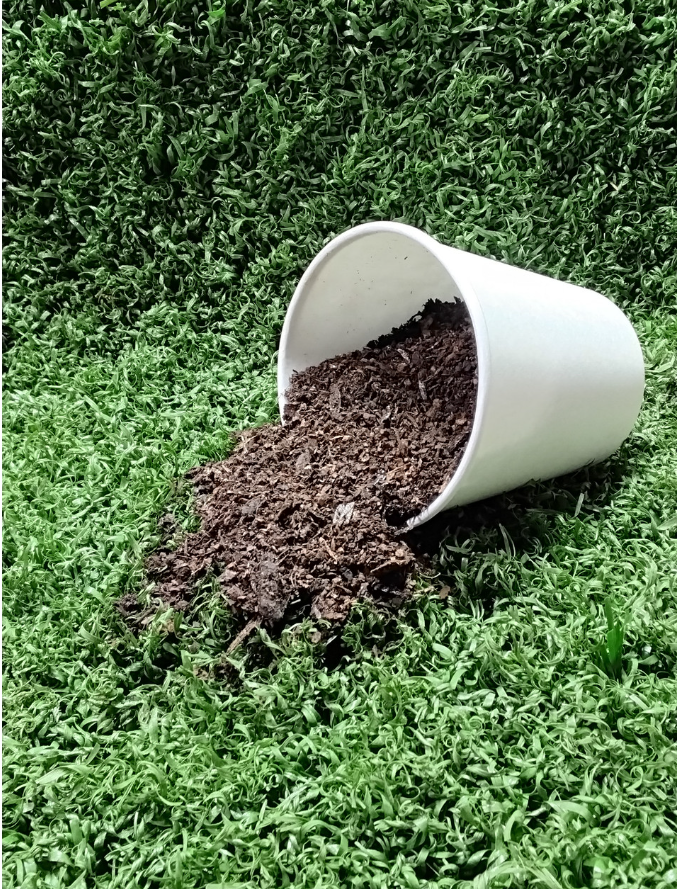
Cow Manure and Sawdust Amendment
This material is an amendment made from cow manure and sawdust. When incorporated into existing soil, it helps to loosen the soil structure. It can also be used as a decorative mulch on the soil surface. The product typically has a fine consistent particle size. As a mulch it will keep the soil below it from becoming dry. Sawdust to manure varies generally 65% sawdust and about 35% dairy manure.
How is Compost Different from Bark?
Compost
Compost has been through a process of ageing and decomposition. The decomposition changes the original feedstock (garden waste and brush) into a source of nutrients for your plants.
Garden Pro-Tips
Expert answers from our team about fertilizer, compost, and getting the most out of your Pierce County garden.
Call 253.222.9633What is the "best" fertilizer for my garden?
When looking at fertilizer bags, remember what the three numbers represent:
- First Number (Nitrogen): Promotes lush, green above-ground growth.
- Second Number (Phosphorus): Strengthens the underground root system.
- Third Number (Potassium): Improves the all-around health and disease resistance of the plant.
Delivery & Quantity
How Much Do You Need?
Square feet per cubic yard
At 1 inch deep — the coverage standard for compost applications.
New beds ratio
We recommend a mix of 33% compost and 67% topsoil for the best new bed results.