
Topsoil with added compost
The Science of Soil: Understanding the Three Parts
To get the best results for your landscaping project, you first need to understand what's under the surface. All soil is a mixture of three primary minerals: Sand, Silt, and Clay. The specific ratio of these three determines how your plants grow, how water drains, and the overall health of your yard.
The Building Blocks of Soil
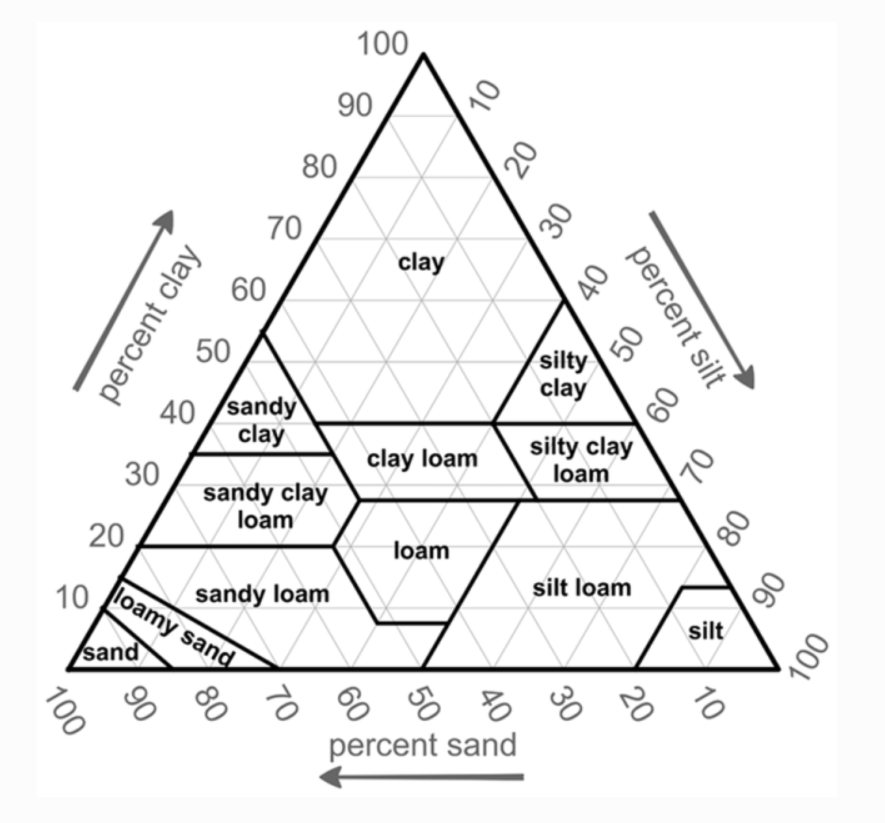
(the above is a soil classification triangle, you may be familiar with the term "sandy loam". Sandy loam is the base for our "topsoil with added compost")
- Sand: The largest particles. Sand allows for high oxygen levels and excellent drainage but holds very little water or nutrients.
- Silt: Medium-sized particles. Silt acts as the "glue" that holds moisture while still allowing for air circulation.
- Clay: The smallest particles. Clay is nutrient-rich but packs tightly, which can lead to drainage issues if not balanced.
Why "Sandy Loam" is the Gold Standard
Different combinations of these minerals create different soil classifications. Sandy Loam is the most popular and effective base for professional soil manufacturing.
- Composition: A precise blend containing between 50% and 70% naturally occurring sand.
- Performance: The high sand content ensures water drains freely away from roots to prevent rot, while the silt and clay retain enough moisture to keep plants hydrated.
- The Puyallup/Midland Standard: In the Pacific Northwest, Sandy Loam is the ideal balance. It allows our heavy winter rains to infiltrate the ground without puddling, while sustaining growth during our increasingly dry summer months.
Our Premium Soil Blends
We offer two primary blends designed specifically for the unique climate of the Puget Sound area. Satisfaction Guaranteed.
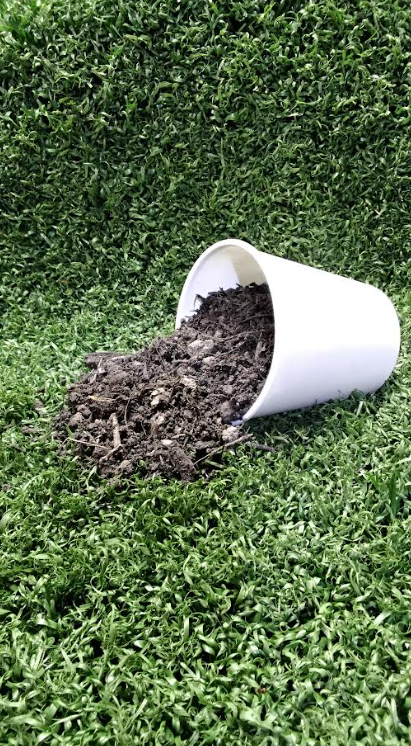
Topsoil with Added Compost
Our standard topsoil is a sandy loam-based product with added compost for nutrient amendment and better structure. It's screened thru a 1/2" screen. It is a fantastic choice for:
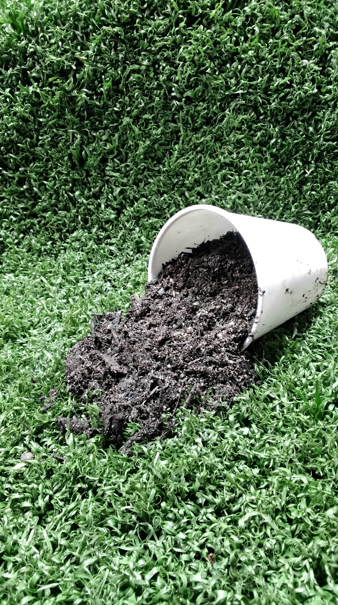
The "Rain Mix" (60/40 Blend)
For specific drainage challenges, we offer a specialty 60/40 Rain Mix. It spreads like "warm butter on hot toast" and handles up to 9" of rain per hour — far more than the record rainfall seen in Tacoma in 2025!
Step-by-Step Guide to a Perfect Lawn
If you are putting in a new lawn, follow these steps for professional results:
Grade & Smooth
Dump topsoil in voids and smooth it out using the back of a grade rake to reach your desired grade.
Roll it Out
Use a roller back and forth in three different directions to make the surface smooth and even.
Scarify the Surface
Use the tine side of the grade rake to lightly "scratch" the surface. This creates the necessary surface area for the seed to take hold.
Seed & Fertilize
Broadcast your seed. Follow up with a starter fertilizer.
Pro Tip: You have enough seed when you can't fit a dime between the individual seeds.The Final Touch — Peat Moss
Apply a 1/4" to 1/2" layer of peat moss. It is the best protective, biodegradable cover available to keep seeds moist.
Mist & Grow
Set your hose to Mist and water until the peat changes from light brown to dark brown. Avoid dragging the hose through the peat! In three weeks, you'll have a lush new lawn.
The Ultimate Guide to Soil Temp
One of the most common questions we get is: "What does the temperature need to be to start growing grass or starting my vegetable garden?"
The Magic Number: 51° For projects involving grass seed, the "magic number" is 51°F.
- The Overnight Rule: Your grass will start to germinate once the lowest overnight temperature stays at or above 51°F.
- Keep in Mind: This is the starting line, not the finish line. At this temperature, the seed is just beginning to wake up; the process has officially begun.
Soil Prep vs. Growing
- Structural Projects: If you are just throwing down topsoil to level a yard or putting mulch/sod on top, the temperature isn't a huge deal. You can get a head start whenever the ground isn't frozen.
- Seeding Projects: If you are growing from seed, you are at the mercy of the thermometer. Without that overnight warmth, the seed will simply sit dormant.
Maximizing the Growing Season
- Southern Exposure: Always aim to position vegetable gardens and cutting beds with a Southern Exposure.
- The Greenhouse Effect: Using greenhouses or southern-facing walls helps capture the maximum amount of sunlight and heat, keeping soil temperatures up during chilly spring nights.
Soil & Gardening FAQs
Common questions from homeowners across Tacoma and Pierce County about topsoil, temperature, and getting the most out of their projects.
Call 253.222.9633Does the type of topsoil I use affect the temperature of my garden?
How can I get a head start on my vegetable garden?
When is it "safe" to stop worrying about the frost?
How much topsoil do I need for my raised bed?
Planning Your Project
How Much Do You Need? Use our built-in calculator to enter your Length, Width, and Depth to get a total in cubic yards.
- Pro Tip: When installing a new lawn, using a roller will compact the soil. We recommend accounting for a 10–15% "compaction buffer" in your order.
Delivery & Pickup Notes
- Truck Capacity: An average pickup truck can typically carry 1/2 yard of material.
- Finishing Touches: While topsoil is the foundation, we also carry a full selection of Round Rock, Cobble, and Gravel to finish your landscaping project.
You might be thinking about some bark in the beds next to your new green grass to finish off your project.
All topsoil needs to be fertilized.